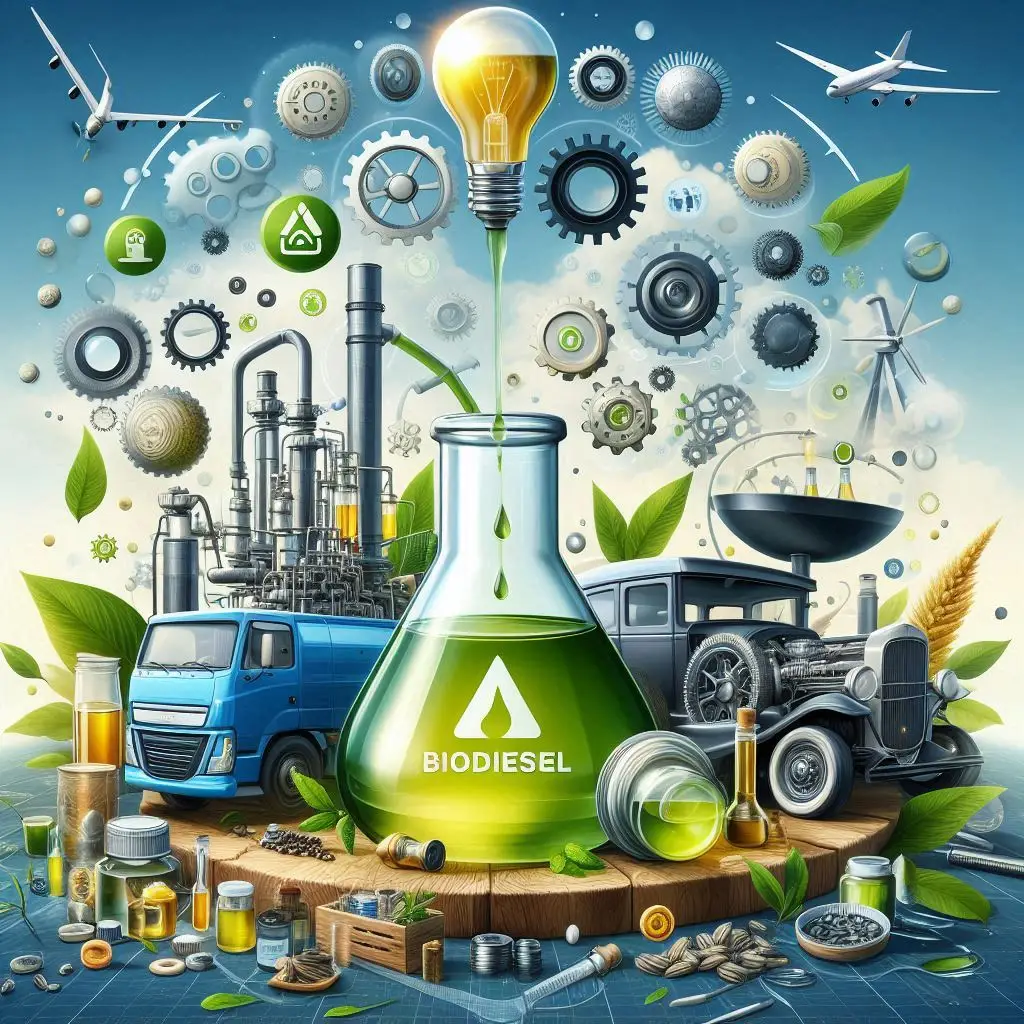
How to Make Biodiesel & Key Differences from Diesel – Dec 1, 2025
Short Intro:
Biodiesel offers a sustainable alternative to petroleum diesel, helping reduce emissions and dependence on fossil fuels. This guide explains production and key differences.
What You’ll Learn:
- Step-by-step biodiesel production process
- Chemical and performance differences between biodiesel and diesel
- Environmental and economic benefits of biodiesel
- How biodiesel integrates with EN 590 diesel standards
- Market trends and NovinTrades insights on renewable fuels
1) Introduction
Introduction: Understanding Biodiesel Production and Its Differences from Diesel
Biodiesel has emerged as a renewable, environmentally friendly alternative to conventional diesel fuel. This section introduces its growing relevance, the production process, and why understanding its differences from petroleum diesel is essential for industry stakeholders and eco-conscious consumers alike. With rising demand for sustainable fuels, biodiesel is gaining attention globally, while blending standards like EN 590 ensure compatibility with conventional diesel engines.
Transition: Next, we will explore the detailed process of making biodiesel safely and efficiently.
LSI Keywords: renewable diesel, biodiesel production, FAME fuel, sustainable energy, EN 590 blend
2) How to Make Biodiesel
How to Make Biodiesel: Step-by-Step Guide
SEO Snippet: Learn how biodiesel is made through transesterification using oils, fats, and catalysts for clean, renewable fuel.
Biodiesel production primarily uses vegetable oils, animal fats, or recycled cooking oils. The transesterification process converts these feedstocks into fatty acid methyl esters (FAME) and glycerin. Key steps include:
- Collect and Filter Feedstock: Remove water, food particles, and impurities.
- Pre-Treatment: Eliminate free fatty acids and moisture via heating and chemical agents.
- React with Alcohol and Catalyst: Mix feedstock with methanol and sodium or potassium hydroxide.
- Stir the Mixture: Allow reaction to occur, separating biodiesel from glycerin.
- Separate Glycerin: Drain glycerin, wash biodiesel to remove residual chemicals.
- Dry the Biodiesel: Eliminate remaining water to ensure fuel stability.
Summary: Proper handling and chemical control are critical for safe biodiesel production. Small-scale setups are possible, but industrial-scale operations require strict quality standards.
LSI Keywords: FAME production, biodiesel synthesis, transesterification process, renewable fuel steps, glycerin separation
External Links:
- U.S. Department of Energy: Biodiesel Production
- Renewable Energy World – Biodiesel Guide
NovinTrades Market View and Forecast: The global biodiesel market is projected to grow steadily, driven by government mandates and renewable fuel adoption in Europe and Asia.
3) Is Biodiesel the Same as Diesel?
Is Biodiesel the Same as Diesel? Key Differences Explained
SEO Snippet: Biodiesel and diesel differ in chemical makeup, emissions, and engine compatibility, though they can be blended to meet EN 590 standards.
Chemical Composition: Diesel comes from petroleum hydrocarbons, while biodiesel is made of fatty acid methyl esters (FAME).
Production Process: Conventional diesel is refined from crude oil; biodiesel uses transesterification of renewable oils.
Properties: Biodiesel has a higher flashpoint, superior lubricity, lower viscosity, and slightly lower energy content. Blends of up to 7% biodiesel (B7) comply with EN 590 diesel standards in the EU.
Availability: Diesel is widely available at fuel stations, while biodiesel distribution is growing in response to green energy policies.
Summary: Understanding these differences helps consumers and fleet operators optimize fuel use and emissions compliance.
LSI Keywords: biodiesel vs diesel, B7 biodiesel blend, EN 590 compliance, renewable diesel properties, emissions reduction fuel
External Links:
- European Biodiesel Board
- International Energy Agency – Biofuels
4) Economic Considerations and Challenges
Economic Considerations and Challenges in Biodiesel Production
SEO Snippet: Biodiesel production faces cost, feedstock, and regulatory challenges, balanced by environmental and economic benefits.
While biodiesel offers environmental advantages, initial production costs can be high. Feedstock prices fluctuate due to agricultural conditions and global demand. Additionally, infrastructure for production, storage, and distribution is still expanding.
Government incentives, such as tax credits or subsidies, support adoption but are subject to policy changes. Despite challenges, biodiesel can reduce engine maintenance costs due to its lubricity and is increasingly integrated with conventional diesel in markets enforcing emission standards.
Summary: Economic viability depends on feedstock stability, policy support, and industry investment in infrastructure.
LSI Keywords: biodiesel cost, feedstock economics, renewable fuel policy, energy subsidies, biodiesel market trends
External Links:
- U.S. EPA – Renewable Fuel Standard
- OECD Biofuel Policy Updates
NovinTrades Market View and Forecast: Market projections indicate steady growth, with biodiesel prices influenced by oil markets, policy incentives, and feedstock availability.
5) Conclusion
Conclusion: Making Biodiesel and Understanding Its Role vs Diesel
SEO Snippet: Biodiesel is a renewable, cleaner fuel with unique chemical and performance properties, increasingly blended with conventional diesel.
Biodiesel production is a practical step toward sustainability, offering lower emissions, improved engine lubricity, and renewable feedstock utilization. While challenges such as feedstock costs and infrastructure exist, policy support and global demand encourage market growth. Blends meeting EN 590 standards ensure compatibility with diesel engines, bridging traditional and renewable fuels.
Explore more insights on energy, market trends, and fuel innovation in NovinTrades’ Reportage section.
LSI Keywords: biodiesel production benefits, renewable diesel trends, fuel blending EN 590, environmental fuels, sustainable energy transition
External Links:
About NovinTrades
As part of its mission, NovinTrades offers a dedicated Reportage section where businesses, brands, and professionals can publish in-depth sponsored articles, analyses, and thought-leadership pieces. These reportages are SEO-optimized for maximum visibility and long-term engagement.
📍 Explore more at NovinTrades Reportages
📣 Join us on Telegram: https://t.me/novintrades
FAQ Items (for FAQ Schema):
- Can biodiesel be used in any diesel engine?
Yes, most engines can use biodiesel blends, typically up to B20, without modification. - Is biodiesel better for the environment than diesel?
Biodiesel reduces emissions of CO2, particulates, and hydrocarbons compared to petroleum diesel. - How is biodiesel made at home?
Home production involves small-scale transesterification using vegetable oil, methanol, and a catalyst, but safety precautions are essential.