Bitumen, Pitch, Tar & Gypsum: Uses and Differences Explained
Short Intro
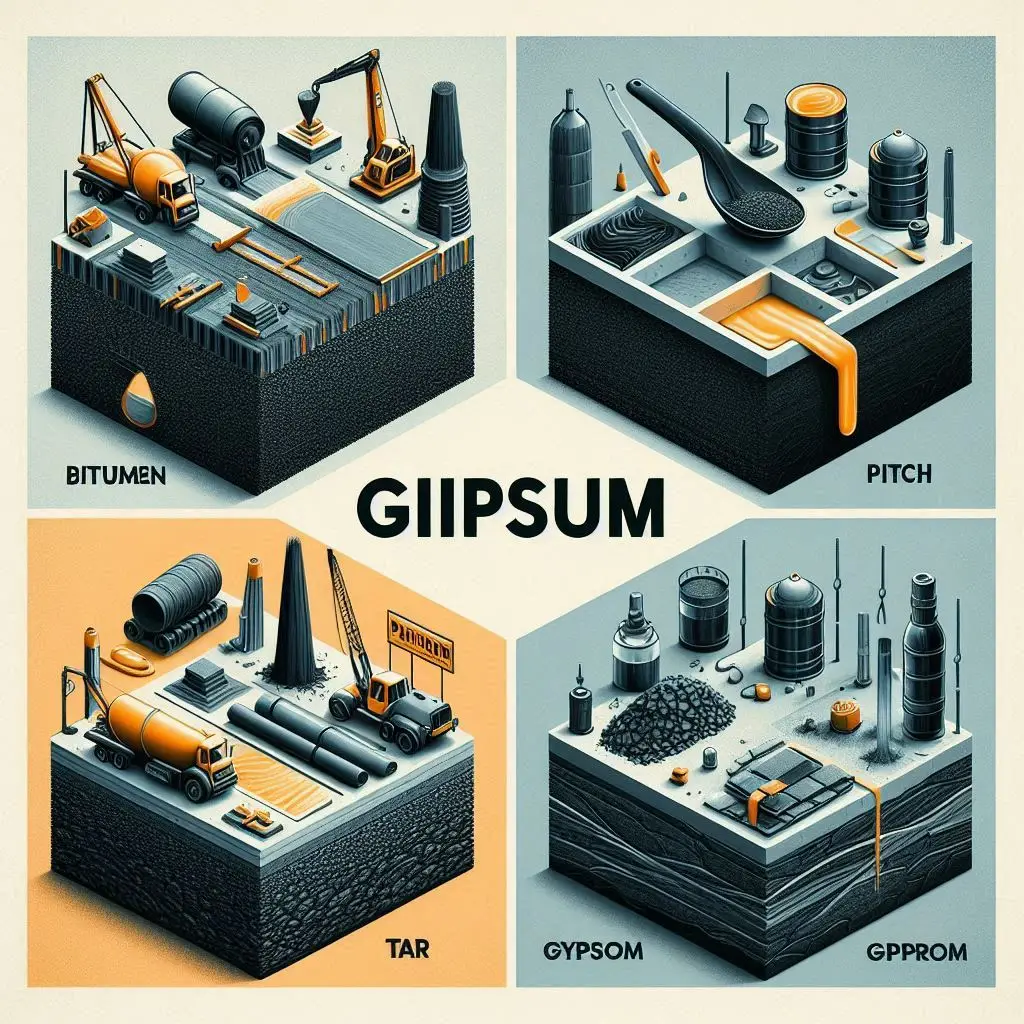
Bitumen, pitch, tar, and gypsum are widely used in construction and industry. Understanding their differences ensures optimal application and long-term performance.
What You’ll Learn
- Key distinctions between bitumen, pitch, tar, and gypsum
- Industrial and construction applications for each material
- Chemical and physical properties that determine usage
- How to choose the right material for specific projects
- Insights from NovinTrades market analysis and forecast
1) Introduction: What is Bitumen and Pitch Tar Gypsum
What is Bitumen and Pitch Tar Gypsum? This section introduces four essential materials used across construction and industrial sectors, highlighting their origins, properties, and applications. Understanding these materials is crucial for engineers, builders, and manufacturers to make informed decisions on material selection. The discussion will focus on their differences and similarities, setting the stage for a detailed examination of each.
Bitumen, pitch, tar, and gypsum may appear similar due to their color or texture, but they have unique compositions, industrial purposes, and performance characteristics. A closer look helps in determining the most suitable material for projects ranging from road construction to interior finishing.
2) What is Bitumen and Pitch?
SEO snippet: Bitumen and pitch are viscous substances with distinct origins and applications in road construction and waterproofing.
Bitumen and pitch are both thick, dark materials, yet their sources and primary uses vary. Bitumen is a petroleum byproduct, commonly used in asphalt and roofing materials. It provides waterproofing and binding properties essential for roads and infrastructure. Learn more about bitumen
Pitch is derived from coal tar and is denser and less volatile than bitumen. It is used in electrical insulation, roofing, and waterproofing applications. While both materials share viscosity and color, bitumen excels in infrastructure projects, whereas pitch is specialized for sealing and industrial applications.
Keywords: hydrocarbon materials, asphalt, roofing, petroleum byproduct, coal tar pitch, waterproofing, construction material
Novin Trades Market View: Bitumen prices are sensitive to crude oil fluctuations, while pitch markets are influenced by coal tar production trends.
3) What is Bitumen and Tar?
SEO snippet: Bitumen is natural, tar is synthetic; both are sticky hydrocarbons with distinct industrial applications.
Bitumen is naturally occurring from crude oil refining and is primarily used in road construction and waterproofing. Tar is typically man-made from coal, wood, or petroleum. It is versatile in chemical production, coatings, and roofing applications.
While bitumen binds aggregates in asphalt, tar is widely applied in waterproofing, roofing, and chemical processing. Tar’s slightly lower viscosity makes it easier to handle than bitumen.
Keywords: synthetic tar, natural bitumen, hydrocarbon binder, waterproof coatings, industrial tar, asphalt binder, road construction
External links:
Novin Trades Forecast: Demand for tar remains steady due to roofing and chemical industries, while bitumen demand aligns closely with road construction activity globally.
4) What is Bitumen and Gypsum?
SEO snippet: Bitumen is hydrocarbon-based, while gypsum is a mineral; each has specific uses in construction.
Bitumen serves as a binder in asphalt and offers waterproofing in roofing. Gypsum, a naturally occurring mineral (calcium sulfate), is used in drywall, plaster, cement, and agriculture.
The materials’ core difference lies in composition: bitumen is hydrocarbon-rich, while gypsum is mineral-based. Bitumen focuses on waterproofing and structural binding, whereas gypsum provides interior finishing and soil enhancement.
Keywords: calcium sulfate, drywall material, plaster, asphalt binder, road construction, interior finishing, construction minerals
External links:
Novin Trades Market View: Gypsum prices are influenced by mining output and construction demand, while bitumen aligns with petroleum market cycles.
5) Conclusion: Bitumen, Pitch, Tar & Gypsum Summary
SEO snippet: Bitumen, pitch, tar, and gypsum are distinct construction materials with unique applications and market influences.
In conclusion, each material serves a specialized role: bitumen in road construction and waterproofing, pitch for sealing and insulation, tar in roofing and chemical production, and gypsum in interior finishing and agriculture. Understanding these distinctions allows for smarter material selection, cost efficiency, and durability in projects.
Keywords: construction materials, hydrocarbon binder, mineral gypsum, industrial applications, road paving, waterproofing solutions, NovinTrades analysis
External links:
Visit the NovinTrades Reportage section for more in-depth analyses and industry insights.
About NovinTrades
As part of its mission, NovinTrades offers a dedicated Reportage section where businesses, brands, and professionals can publish in-depth sponsored articles, analyses, and thought-leadership pieces. These reportages are SEO-optimized for maximum visibility and long-term engagement.
📍 Explore more at NovinTrades Reportages
📣 Join us on Telegram: https://t.me/novintrades
FAQs (for schema)
Q1: What is the main difference between bitumen and tar?
A1: Bitumen is natural from crude oil, while tar is synthetic from coal, wood, or petroleum, each serving different industrial purposes.
Q2: Can gypsum be used for waterproofing like bitumen?
A2: No, gypsum is primarily used for interior construction and agriculture, while bitumen provides waterproofing and road binding.
Q3: Is pitch better than bitumen for roofing?
A3: Pitch is dense and less volatile, making it effective for sealing and insulation in roofing, whereas bitumen is widely used for asphalt and general waterproofing.